Cibolo Joins County Flood Partnership, Could Address 18 Low-Water Crossings
Big news for Cibolo residents tired of watching their streets turn into rivers: The city is joining Guadalupe County's master drainage plan, opening the door to serious state funding for flood control.
The Partnership
Cibolo City Council unanimously approved joining Guadalupe County's application to the Texas Water Development Board Flood Infrastructure Fund at the January 13, 2026 meeting [97:42-104:07].
🏆 Guadalupe County's application ranked 7th out of 180 statewide [100:30] and submitted a $2.5 million grant application ($1.875M state grant + $625K local match) [100:16-100:20].
Public Works Director Saif Al-Hadid called it "one of his most exciting projects" [97:51-98:00].
Why This Matters
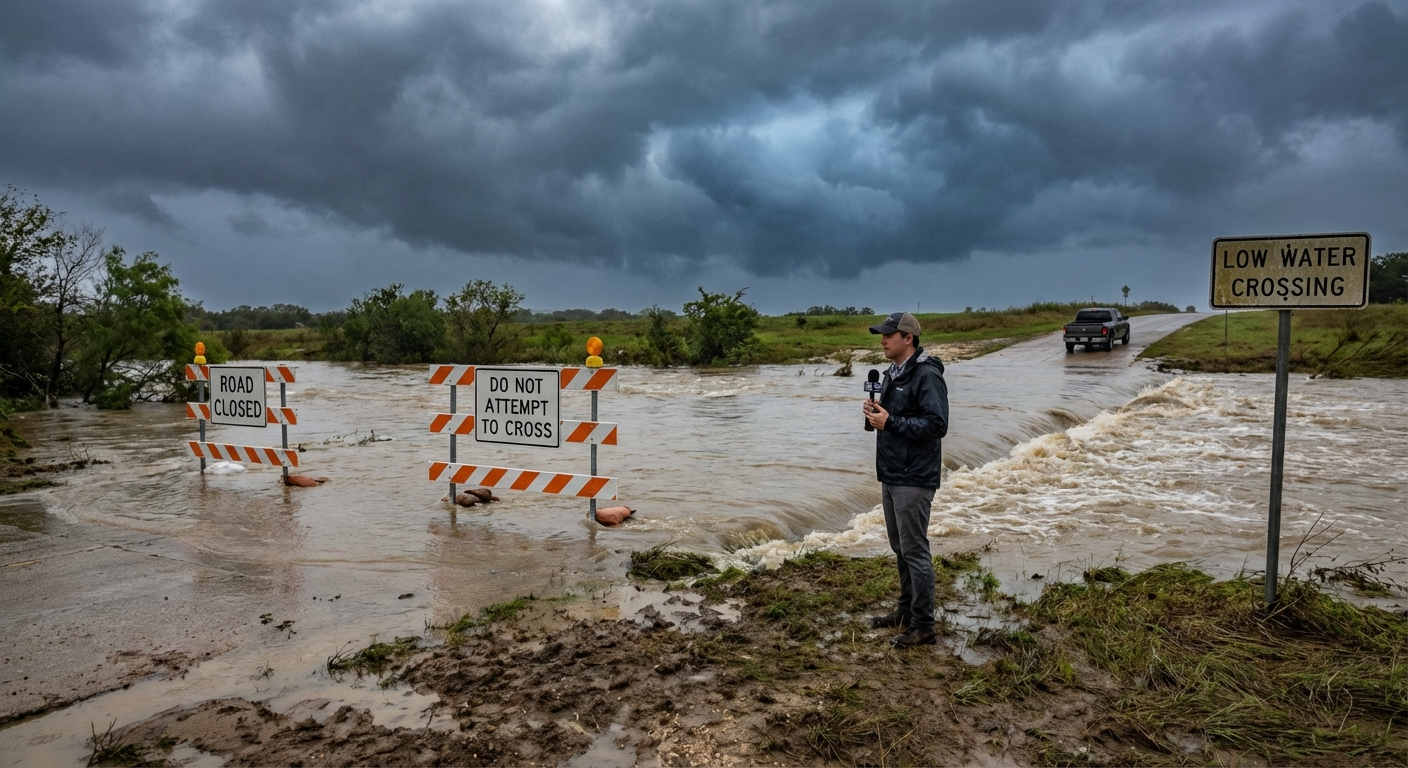
Cibolo has 18 low-water crossings — roads that flood during heavy rain, trapping residents and blocking emergency vehicles [103:00-103:03].
For years, Cibolo has been on the "outskirts" of flood funding [102:25-102:27], watching bigger cities like San Antonio and Austin land state grants while smaller communities scraped by with local budgets.
This partnership changes that.
By joining the county's master drainage plan, Cibolo gets:
- A bigger voice in state funding applications
- Access to engineering studies the city couldn't afford alone
- Eligibility for construction grants that could fund culvert replacements, detention ponds, and drainage improvements
Translation: Maybe your street won't become a river next time it rains.
The Flood Infrastructure Fund
The Texas Water Development Board (TWDB) manages a state fund specifically for flood mitigation projects. Cities and counties apply competitively for:
- Planning grants (like the $2.5M Guadalupe County secured)
- Construction grants (millions to tens of millions for actual infrastructure)
The catch: Small cities rarely win alone — they lack the engineering staff and political clout to compete with metro areas.
The solution: Regional partnerships. By pooling resources with Guadalupe County, Cibolo punches above its weight class.
What's Next
Phase 1 (Current): $2.5 million study phase led by Guadalupe County
- Identify priority flood zones
- Model drainage solutions
- Estimate costs for construction
Phase 2 (Future): Apply for construction grants
- Could be tens of millions in state funding
- Projects ranked by impact and cost-effectiveness
- Cibolo's 18 low-water crossings will compete for priority
💰 Cost to Cibolo: $0 for the study phase. County is leading.
⏰ Timeline: Studies take 12-18 months. Construction grants (if awarded) could start in 2027-2028.
The Bigger Picture
This is proactive governance — applying for grants before the next major flood, not after.
Compare this to cities that wait until disaster strikes, then scramble for FEMA money while residents are still pumping water out of their living rooms.
Cibolo is planning ahead. That's rare. That's smart. That's exactly what taxpayers should expect from their city government.
What It Means for You
If you live near a low-water crossing:
Your street flooding could finally get addressed — but not immediately. Study phase comes first, then construction grants (if awarded), then actual work. Expect 3-5 years minimum before shovels hit dirt.
If you've been trapped by floodwater:
Keep documenting it. Photos, videos, dates, times. When the study phase asks for public input on priority areas, your evidence matters. The squeaky wheel gets the drainage improvement.
If you pay property taxes:
This is your money at work — using local tax dollars to leverage millions in state grants. That's smart budgeting. Every dollar Cibolo spends on this partnership could bring back $10-20 in state funding.
Sources:
- Cibolo City Council meeting transcript (January 13, 2026)
- Timestamps: [97:42-104:07], [100:16-100:32], [102:25-102:27], [103:00-103:03]
- Meeting duration: ~3 hours