Flock cameras helped Universal City police catch murder suspect. Now comes the surveillance debate.
Universal City police say Flock cameras helped catch a murder suspect. The harder question is what residents give up when the government builds a searchable record of where vehicles were and when.
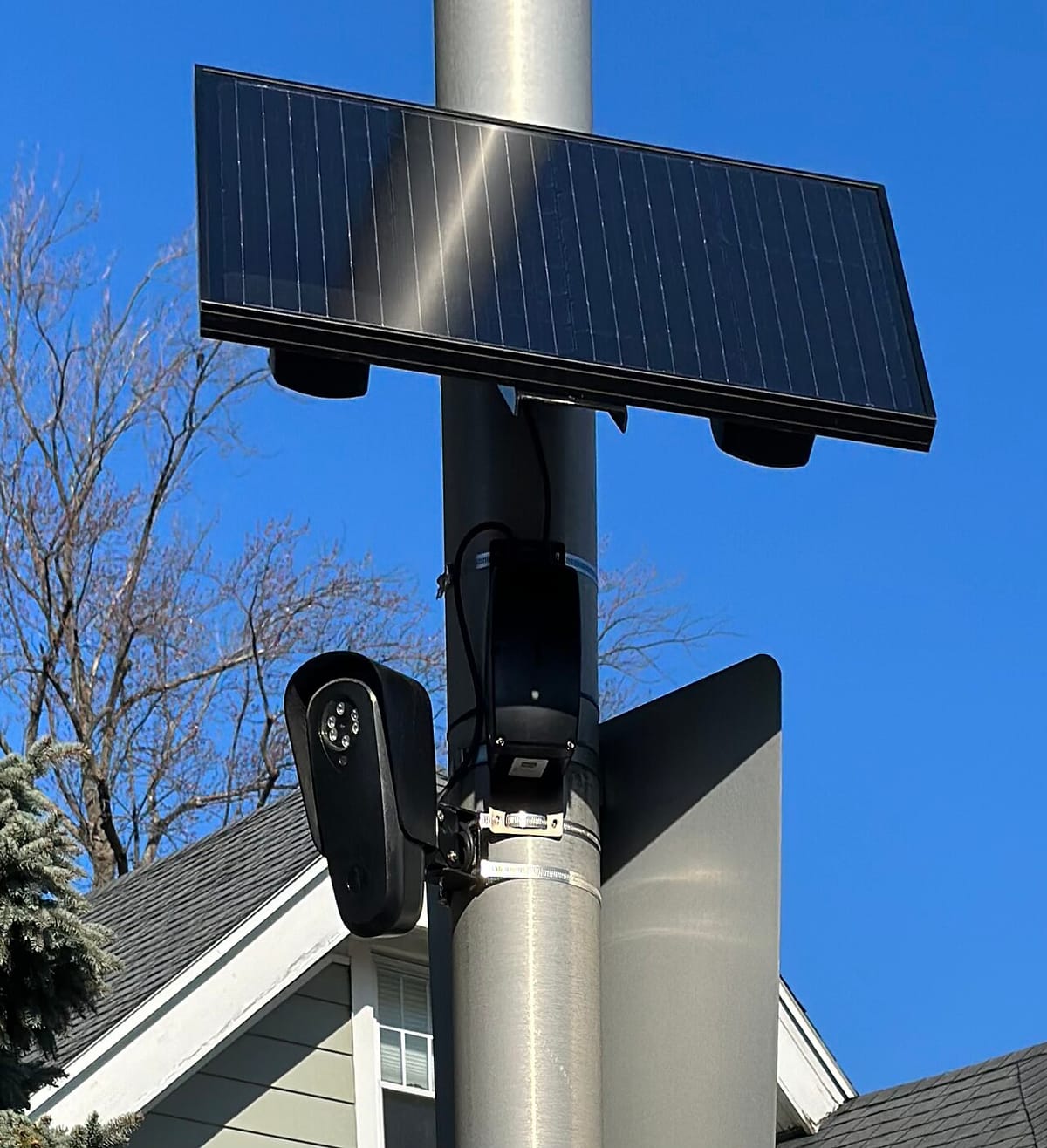
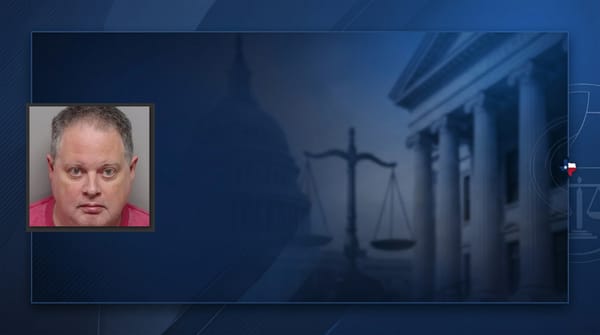
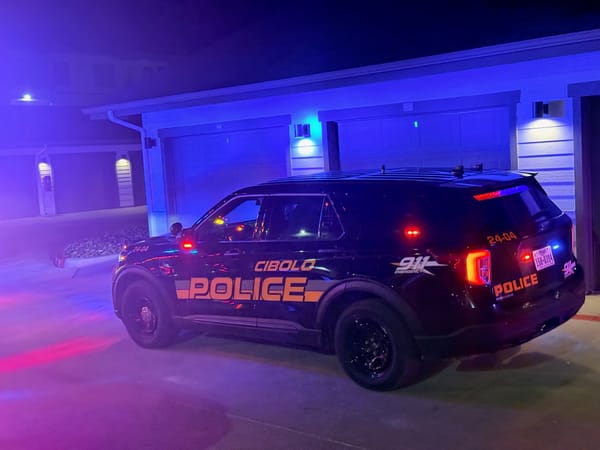
UNIVERSAL CITY — Universal City police say the city's Flock license plate reader system helped officers locate and arrest a murder suspect tied to a fatal shooting in San Antonio. That is the success story police want residents to hear. It is not the whole story.
Police Chief Mike Mahals told council on March 3 that the system flagged a stolen vehicle that entered Universal City. Officers found the vehicle at a shopping center, set up nearby and detained the suspect when he came out of a store.
Mahals said the suspect had blood on his clothes and that the stolen vehicle had bullet holes and blood inside. He said San Antonio police took custody of the suspect and filed a murder charge.
Mahals also cited other cases involving a vehicle theft ring, organized retail theft, recovered stolen vehicles and a missing suicidal person who was found before self-harm. The department's point was simple: these cameras help close cases.
But that is only one side of the argument. The other is civil liberty.
Universal City told council its 12 cameras generate roughly 2.3 million plate reads per month in a 30-day rolling window. Mahals said officers run about 200 searches per month and that the department received about 1,000 hot-list alerts in the most recent 30-day period.
That means the government is not just looking for wanted criminals. It is building a searchable record of where ordinary vehicles were and when. Privacy and Fourth Amendment advocates object to that basic idea on principle. They argue that this is suspicionless mass surveillance first, investigation second.
And the implications go well beyond one stolen car. Movement, association, routines, church attendance, medical visits and political activity can all be inferred from plate data when the government stores enough of it and can search it later.
Police departments usually answer that concern with policy language. Mahals told council officers need a case number and a documented reason to search the system, and he said the most recent audit found the department in full compliance. That may reduce abuse. It is not the same thing as a constitutional limit.
The problem critics see is mission creep. Once a city builds the system, the temptation is always to use it for more cases, keep more data and add more cameras. Mahals made clear Universal City is already thinking that way. He told council he would like additional coverage in parts of the city that are not currently monitored, including the south end of Pat Booker Road and the north end of Universal City Boulevard.
That leaves residents with a real tradeoff, not a hypothetical one. Flock may help catch dangerous suspects. It also treats the movements of everybody else as fair game for government collection. If the city wants that power, residents should at least be honest about what they are handing over in exchange.